
Bicycle Parts Manufacturers in USA - Supporting Domestic Production
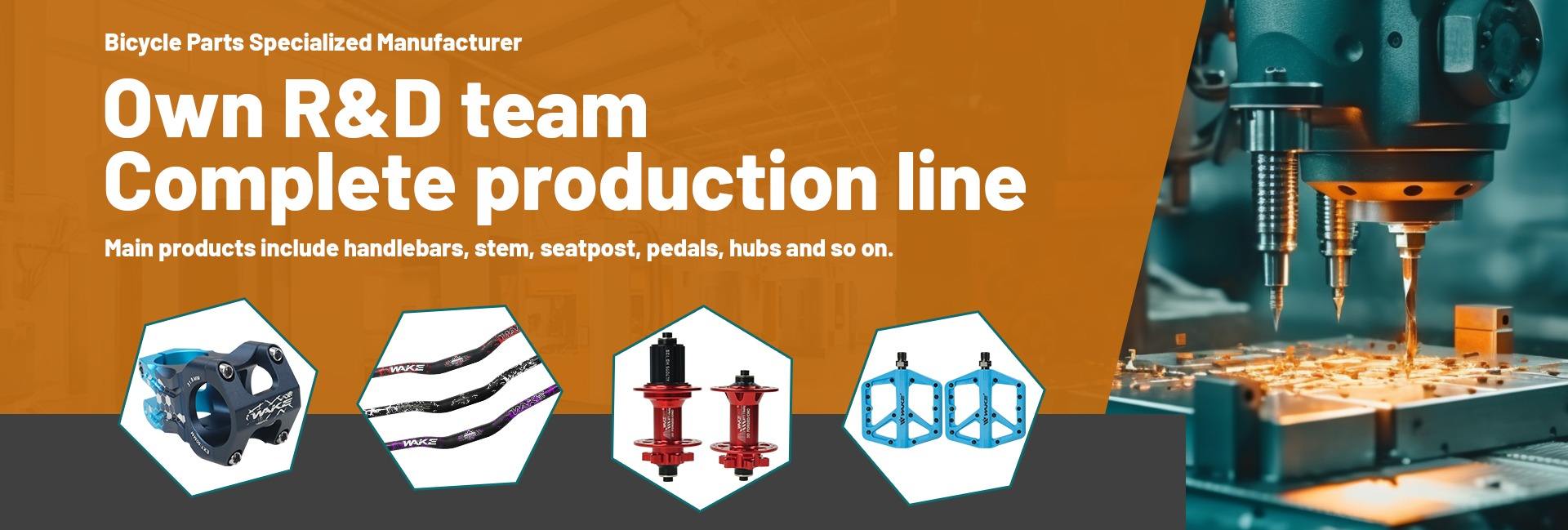
Bicycle Parts Manufacturers in USA - Supporting Domestic Production
The United States has a rich history in bicycle manufacturing, dating back to the late 19th century when American companies like Schwinn and Columbia dominated the global market. While the industry has faced significant challenges in recent decades, including competition from overseas manufacturers, there's been a resurgence of interest in domestic bicycle parts production. In this comprehensive guide, we'll explore the current state of the US bicycle parts manufacturing industry, its key players, challenges, and the importance of supporting domestic production.
Historical Background of US Bicycle Manufacturing
Bicycle manufacturing has deep roots in the United States:
The Golden Age (1890s-1930s)
- The late 19th century saw the "bicycle boom" in America, with millions of bicycles sold annually
- American manufacturers like Schwinn, Columbia, and Pope dominated the global market
- Many cities had their own bicycle factories, creating a robust domestic supply chain
- Innovations like the safety bicycle and pneumatic tires were developed in the US
Post-War Era (1940s-1970s)
- Bicycle production surged after World War II, with Schwinn becoming the largest bicycle manufacturer in the world
- The 1960s and 1970s saw a shift toward youth-oriented bikes like the Sting-Ray
- American manufacturers began outsourcing some production to Japan and Taiwan to reduce costs
Decline and Resurgence (1980s-Present)
- The 1980s and 1990s saw a dramatic decline in US bicycle manufacturing due to competition from low-cost producers in Asia
- Many iconic American brands either went out of business or shifted all production overseas
- In recent years, there's been a resurgence of interest in domestic production, driven by consumers seeking locally-made products and concerns about supply chain resilience
Current State of US Bicycle Parts Manufacturing
While the US bicycle industry has changed dramatically, there are still numerous manufacturers producing high-quality parts domestically:
Industry Size and Scope
- The US bicycle parts manufacturing industry generates approximately $X billion in annual revenue
- There are over X manufacturers operating in the US, ranging from small workshops to larger companies
- The industry employs approximately X people across the country
- Major production hubs include Pennsylvania, Wisconsin, California, and Oregon
Types of Parts Produced
- Frame manufacturing (steel, aluminum, and carbon fiber)
- Drivetrain components
- Braking systems
- Wheel components
- Handlebars, stems, and seatposts
- Saddles and pedals
- Custom and specialty components
Key US Bicycle Parts Manufacturers
Let's take a closer look at some of the most prominent bicycle parts manufacturers in the United States:
1. SRAM
- Founded in Chicago in 1987
- One of the world's largest bicycle component manufacturers
- Produces drivetrain components, brakes, suspension systems, and wheels
- Operates multiple manufacturing facilities in the US, including plants in Chicago and Colorado Springs
- Known for innovative products like wireless electronic shifting and 1x drivetrains
2. Chris King Precision Components
- Founded in Portland, Oregon in 1976
- Specializes in high-end hubs, headsets, bottom brackets, and other precision components
- Known for their durability, craftsmanship, and lifetime warranty
- All products are manufactured in the US
- Emphasizes sustainable manufacturing practices
3. White Industries
- Founded in Petaluma, California in 1978
- Produces hubs, bottom brackets, cranksets, and drivetrain components
- Known for their high-quality, durable products
- All manufacturing is done in-house in California
- Focus on precision machining and American-made materials
4. Paul Component Engineering
- Founded in Chico, California in 1989
- Specializes in brakes, hubs, and handlebar components
- Known for their unique designs and high-quality craftsmanship
- All products are made in the US
- Popular among mountain bikers and gravel cyclists
5. Thomson Bike Products
- Founded in Macon, Georgia
- Produces stems, seatposts, and other components
- Known for their durable, lightweight aluminum products
- All manufacturing is done in the US
- Products are used by professional cyclists worldwide
6. Paragon Machine Works
- Founded in Los Angeles, California in 1989
- Specializes in hubs, dropouts, and frame components for niche markets like fat bikes and cargo bikes
- Known for their custom and specialty components
- All products are made in the US
7. Moots Cycles
- Founded in Steamboat Springs, Colorado in 1981
- Known for their high-end titanium frames
- Also produces frame components and custom parts
- All manufacturing is done in the US
- Focus on craftsmanship and custom builds
Challenges Facing US Bicycle Parts Manufacturers
Despite the resurgence of interest in domestic production, US bicycle parts manufacturers face several challenges:
1. Cost Competitiveness
- Labor costs in the US are significantly higher than in countries like China and Vietnam
- Raw materials are often more expensive due to tariffs and transportation costs
- Smaller production volumes make it difficult to achieve economies of scale
2. Supply Chain Issues
- Many specialized raw materials and components must be imported
- Global supply chain disruptions can delay production
- Limited availability of domestic suppliers for some specialized parts
3. Competition from Overseas Manufacturers
- Large-scale manufacturers in Asia can produce parts at a fraction of the cost
- Many consumers prioritize low prices over domestic production
- Some overseas manufacturers have invested heavily in advanced technology and quality
4. Skilled Labor Shortage
- The manufacturing sector in the US faces a shortage of skilled workers
- Specialized skills like CNC machining and frame building are in high demand
- Training programs for manufacturing skills are limited
5. Regulatory Challenges
- Compliance with environmental regulations can be costly for manufacturers
- Tariffs and trade policies can create uncertainty for businesses
- Certification requirements for bicycle parts can be complex and expensive
The Importance of Supporting Domestic Bicycle Parts Production
Supporting US bicycle parts manufacturers offers numerous benefits:
1. Economic Benefits
- Creates and sustains jobs in the US manufacturing sector
- Supports local economies and communities
- Keeps money circulating within the US economy
- Reduces trade deficits
2. Supply Chain Resilience
- Reduces reliance on overseas suppliers
- Mitigates risks from global supply chain disruptions
- Provides faster response times for custom orders and repairs
3. Environmental Benefits
- Reduces carbon emissions from long-distance transportation
- US manufacturers often have stricter environmental standards
- Local production supports more sustainable manufacturing practices
4. Quality and Innovation
- Domestic manufacturers often focus on high-quality, durable products
- Proximity to designers and engineers facilitates faster innovation
- Ability to customize products for specific needs
5. Preservation of Craftsmanship
- Supports traditional manufacturing skills and craftsmanship
- Maintains the US bicycle industry's heritage
- Encourages the development of new manufacturing techniques
Government Initiatives Supporting Domestic Manufacturing
The US government has implemented several initiatives to support domestic manufacturing, including the bicycle parts industry:
1. Manufacturing Extension Partnership (MEP)
- A network of centers that provide technical assistance to small and medium-sized manufacturers
- Helps companies improve efficiency, reduce costs, and adopt new technologies
- Offers training programs for workers
2. Tariffs on Imported Bicycle Parts
- The US has imposed tariffs on certain imported bicycle parts to level the playing field for domestic manufacturers
- Tariffs vary by product and country of origin
3. Research and Development Grants
- Federal and state grants are available for manufacturers investing in R&D
- Focus on advanced manufacturing technologies and sustainable practices
4. Buy American Policies
- Government agencies are encouraged to purchase American-made products
- Some states have implemented additional "Buy American" requirements
Consumer Trends Supporting Domestic Production
Consumer behavior is shifting in ways that support domestic manufacturing:
1. "Made in USA" Preference
- Many consumers are willing to pay a premium for American-made products
- Increased awareness of the environmental and economic impact of their purchasing decisions
- Desire for transparency in the supply chain
2. Growth of Custom and Specialty Bikes
- Increased demand for custom and specialty bicycles creates opportunities for domestic manufacturers
- Custom builders often prefer to use domestic components
- Niche markets like gravel biking and bikepacking favor high-quality, durable parts
3. Sustainability Concerns
- Consumers are increasingly concerned about the environmental impact of their purchases
- Domestic production often has a smaller carbon footprint
- US manufacturers are more likely to use sustainable materials and practices
Future Trends in US Bicycle Parts Manufacturing
Looking ahead, several trends are shaping the future of US bicycle parts manufacturing:
1. Advanced Manufacturing Technologies
- Adoption of Industry 4.0 technologies like automation, IoT, and data analytics
- Use of 3D printing for prototyping and small-batch production
- Advanced materials science for lighter, stronger components
2. Focus on High-Value Products
- US manufacturers will likely continue to focus on high-value, specialty components
- Differentiation through quality, innovation, and customization
- Targeting niche markets where domestic production offers a competitive advantage
3. Sustainable Manufacturing
- Increased focus on reducing environmental impact
- Use of recycled materials and renewable energy
- Closed-loop manufacturing systems
4. Collaboration and Supply Chain Integration
- Increased collaboration between manufacturers, suppliers, and customers
- Development of regional supply chains to reduce costs and improve efficiency
- Partnerships with educational institutions to develop skilled workers
5. E-Bike Component Production
- Growth of the e-bike market presents opportunities for domestic manufacturers
- Production of motors, batteries, and controllers in the US
- Integration of smart technologies into bicycle components
How to Support US Bicycle Parts Manufacturers
Consumers and businesses can support US bicycle parts manufacturers in several ways:
1. Buy American-Made Components
- Look for the "Made in USA" label when purchasing bicycle parts
- Research manufacturers to verify their domestic production claims
- Consider the total cost of ownership, not just the initial purchase price
2. Support Domestic Brands
- Choose bicycles and components from US brands that prioritize domestic production
- Spread the word about American-made products through social media and word of mouth
- Participate in events that showcase US manufacturers
3. Advocate for Supportive Policies
- Contact elected officials to support policies that promote domestic manufacturing
- Join industry associations that advocate for the bicycle manufacturing sector
- Support initiatives that fund manufacturing training programs
4. Invest in Quality Over Quantity
- Choose durable, high-quality components that will last longer
- Reduce waste by repairing rather than replacing parts when possible
- Consider the environmental impact of your purchasing decisions
Conclusion
The US bicycle parts manufacturing industry has faced significant challenges in recent decades, but there are signs of a resurgence. Domestic manufacturers are focusing on high-quality, innovative products that leverage advanced manufacturing technologies and sustainable practices.
Supporting US bicycle parts manufacturers offers numerous benefits, including economic growth, supply chain resilience, environmental sustainability, and the preservation of traditional craftsmanship. By choosing American-made components, consumers and businesses can help strengthen the domestic manufacturing sector and ensure a vibrant future for the US bicycle industry.
While the industry still faces challenges like cost competitiveness and supply chain issues, the growing demand for American-made products, coupled with government support and technological advancements, provides a promising outlook for US bicycle parts manufacturers.
At WakeBikes, we recognize the importance of supporting domestic manufacturing while also leveraging global capabilities. We're committed to providing high-quality bicycle components that meet the needs of cyclists worldwide, whether they're made in the US or other countries.
Ready to Learn More About Bicycle Components? Contact us today to explore our range of high-quality bicycle components:
- WhatsApp: +86 184 7746 8950
- Email: ailujiaxiang@gmail.com
Join us in supporting the global bicycle industry while recognizing the value of domestic manufacturing!
Get in Touch
If you're interested in learning more about our manufacturing services or would like to discuss your project, please contact Bob, our Operations Manager: