
Bicycle Parts and Gears - A Comprehensive Guide to Components
Bicycle Parts and Gears - A Comprehensive Guide to Components
Understanding bicycle parts and gears is essential for any cyclist, whether you're a casual rider, a weekend warrior, or a professional racer. Every component on a bicycle plays a crucial role in performance, comfort, and safety. In this comprehensive guide, we'll explore the various bicycle parts and gears, their functions, types, maintenance requirements, and how to choose the right components for your riding style.
1. Frame and Fork - The Foundation of Your Bike
The frame and fork form the backbone of your bicycle, providing structural support and defining the bike's geometry and riding characteristics.
Frame Types and Materials
Frame Materials
- Steel: Durable, comfortable, and affordable, with a classic feel
- Aluminum: Lightweight, stiff, and corrosion-resistant
- Carbon Fiber: Ultra-lightweight, stiff, and excellent for vibration damping
- Titanium: Strong, lightweight, and corrosion-resistant, with a premium price tag
Frame Geometry
- Road Bike: Aggressive geometry for aerodynamics and speed
- Mountain Bike: Upright geometry for stability and control on rough terrain
- Hybrid/City Bike: Relaxed geometry for comfort and versatility
- Gravel Bike: Versatile geometry for both road and off-road riding
Fork Types
- Rigid Fork: Lightweight and stiff, ideal for road and urban riding
- Suspension Fork: Absorbs shocks for off-road riding, available in various travel lengths
- Carbon Fiber Fork: Lightweight and excellent for vibration damping
2. Drivetrain Components - Powering Your Ride
The drivetrain is responsible for transferring your pedaling power to the rear wheel, consisting of several interconnected components.
Crankset and Bottom Bracket
- Crank Arms: Connect your pedals to the chainrings
- Chainrings: Different sizes for varying gear ratios
- Bottom Bracket: Rotating bearing system that allows the crankset to spin
Types of Cranksets
- Double Chainring: Traditional setup with two chainrings (53/39 or 52/36)
- Compact Crankset: Smaller chainrings (50/34) for easier climbing
- Semi-Compact: Middle ground (52/36) for versatility
- 1x System: Single chainring setup popular in mountain biking and gravel riding
Chain
- Connects the chainrings to the cassette
- Available in different speeds (10-speed, 11-speed, 12-speed, 13-speed)
- Requires regular cleaning and lubrication
Cassette and Freewheel
- Cassette: Stack of cogs on the rear wheel hub
- Freewheel: Integrated cogs with a built-in freehub mechanism
- Available in different ranges (e.g., 11-28T, 11-34T, 10-51T)
Derailleurs
- Front Derailleur: Shifts the chain between chainrings
- Rear Derailleur: Shifts the chain across the cassette cogs
- Available in mechanical and electronic versions
Shifters
- Control the derailleurs to change gears
- Trigger Shifters: Common in mountain biking
- Double Tap: SRAM's road shifting system
- Electronic Shifting: Shimano Di2, SRAM AXS, Campagnolo EPS
Bottom Bracket
- Connects the crankset to the frame
- Available in various standards (Threaded, Press Fit, BB30, PF30)
3. Braking System - Safety First
The braking system is your bike's most critical safety feature, allowing you to slow down and stop effectively.
Types of Brakes
Rim Brakes
- Caliper Brakes: Traditional road bike brakes
- V-Brakes: Strong and reliable, common on hybrid and mountain bikes
- Cantilever Brakes: Lightweight and aerodynamic
Disc Brakes
- Mechanical Disc Brakes: Cable-actuated for reliable performance
- Hydraulic Disc Brakes: Fluid-actuated for consistent stopping power in all conditions
Brake Levers
- Control the braking force
- Integrated with shifters on most modern bikes
- Adjustable reach for different hand sizes
Rotors
- Metal discs that the brake pads clamp onto
- Available in different sizes (140mm, 160mm, 180mm, 203mm)
Brake Pads
- Replaceable friction material
- Organic Pads: Quiet and good stopping power, but wear faster
- Sintered Metal Pads: Durable and perform well in wet conditions
4. Wheels and Tires - Your Connection to the Road
Wheels and tires are your bike's only contact with the ground, playing a crucial role in performance, comfort, and safety.
Wheel Components
Hubs
- Rotating center of the wheel
- Front hub: Houses the axle and bearings
- Rear hub: Includes the freehub body for the cassette
Spokes
- Connect the hub to the rim
- Available in different materials (steel, aluminum, carbon fiber)
- Tensioned to provide strength and stiffness
Rims
- Outer circular part of the wheel that holds the tire
- Clincher Rims: Traditional design with inner tubes
- Tubeless Rims: Allow for tubeless tires, reducing the risk of flats
- Tubular Rims: Used in professional road racing with glue-on tires
Tires
Tire Types
- Road Tires: Smooth and narrow for speed on paved surfaces
- Mountain Bike Tires: Wide with aggressive tread for off-road traction
- Hybrid/City Tires: Versatile for both road and light off-road use
- Gravel Tires: Wider than road tires with light tread for mixed terrain
Tire Sizes
- Measured in millimeters (e.g., 700x25c for road bikes, 29x2.4 for mountain bikes)
- Wider tires offer more comfort and traction, narrower tires are faster
Tubeless Tires
- No inner tube, reducing weight and the risk of flats
- Sealant inside the tire repairs small punctures automatically
5. Handlebars, Stem, and Seatpost - Controlling Your Ride
These components determine your riding position and control over the bike.
Handlebars
Types of Handlebars
- Drop Handlebars: Used on road bikes for multiple hand positions
- Flat Handlebars: Common on mountain bikes and hybrid bikes
- Riser Handlebars: Raised for a more upright position
- Flared Handlebars: Popular on gravel bikes for stability
Handlebar Width
- Road bars: Measured center-to-center at the drops
- Mountain bars: Measured from end-to-end
- Should generally match your shoulder width for comfort
Stem
- Connects the handlebars to the steerer tube
- Adjustable length and angle to customize your riding position
- Available in different materials (aluminum, carbon fiber)
Seatpost
- Supports your saddle and connects it to the frame
- Straight Seatpost: Simple and lightweight
- Setback Seatpost: Allows for adjusting your saddle position
- Suspension Seatpost: Absorbs shocks for a more comfortable ride
- Dropper Seatpost: Allows you to adjust saddle height while riding (popular in mountain biking)
6. Saddle - Your Contact Point
The saddle is where you spend most of your time on the bike, so comfort is crucial.
Saddle Types
- Road Saddle: Narrow and lightweight for aggressive riding
- Mountain Bike Saddle: Wider with more padding for off-road comfort
- Comfort Saddle: Extra padding for casual riding
- Women's Saddle: Designed specifically for female anatomy
Saddle Features
- Cutouts: Relieve pressure in sensitive areas
- Rail Materials: Steel, titanium, carbon fiber
- Cover Materials: Synthetic leather, real leather, waterproof options
7. Pedals - Connecting Your Feet to the Bike
Pedals are the interface between your feet and the bike, available in several types for different riding styles.
Pedal Types
Flat Pedals
- Simple platform pedals
- Ideal for casual riding and mountain biking
- Use with regular shoes or cycling shoes with flat soles
Clipless Pedals
- Allow you to clip your shoes into the pedals for better power transfer
- Road Clipless: Large platform for road cycling shoes
- Mountain Clipless: Smaller, recessed cleats for walking
- Hybrid Clipless: Versatile for both road and off-road riding
Toe Clips and Straps
- Traditional system that secures your feet to flat pedals
- Less efficient than clipless but easier to use for beginners
8. Headset and Steering Components
The headset allows the fork to rotate smoothly, enabling you to steer the bike.
Headset Types
- Threaded Headset: Traditional design with threaded steerer tube
- Threadless Headset: Modern design with a compression wedge
- Integrated Headset: Bearings housed inside the frame
Steering Components
- Steerer Tube: Connects the fork to the headset
- Star Nut/Expander Plug: Secures the stem to the steerer tube
- Top Cap: Finishes the headset assembly
9. Accessories and Additional Components
These components enhance your riding experience and safety.
Lighting
- Front Light: Illuminates the road ahead for night riding
- Rear Light: Makes you visible to other road users
- USB-Rechargeable: Convenient and eco-friendly
- Dynamo Lights: Powered by a generator in the hub
Fenders and Racks
- Fenders: Protect you from road spray
- Rear Rack: Carries panniers and cargo
- Front Rack: Additional cargo capacity
Bottle Cages and Water Carriers
- Securely hold water bottles for hydration
- Available in various materials and designs
- Can be mounted on the frame or fork
Tools and Maintenance Kits
- Essential for on-the-go repairs
- Multi-tools with various Allen keys, screwdrivers, and chain tools
- Patch kits for fixing flat tires
- Mini pumps or CO2 inflators
10. Maintenance and Care
Proper maintenance ensures your components last longer and perform optimally.
Regular Maintenance Tasks
- Clean and Lubricate the Chain: Every 100-200 miles
- Check Brake Pads: Replace when worn
- Inspect Tires: Check for wear and punctures
- Adjust Brakes and Derailleurs: Ensure smooth operation
- Clean the Bike: Remove dirt and grime regularly
Deep Maintenance
- Overhaul the Bottom Bracket: Every 2-3 years
- Service the Headset: Every 3-4 years
- True the Wheels: When they become out of alignment
- Replace Worn Components: Chains, cassettes, and chainrings wear together
11. Choosing the Right Components
Selecting the right components depends on your riding style, budget, and personal preferences.
Consider Your Riding Style
- Road Racing: Lightweight, aerodynamic components
- Mountain Biking: Durable, reliable components for rough terrain
- Commuting: Weather-resistant, low-maintenance components
- Gravel Riding: Versatile components for mixed terrain
Budget Considerations
- Entry-Level: Affordable components for casual riding
- Mid-Range: Balanced performance and value
- High-End: Premium components for performance and weight savings
Compatibility
- Ensure components are compatible with your bike's frame and other parts
- Check manufacturer specifications
- Consider future upgrade paths
Personal Preferences
- Some riders prioritize weight, others prioritize durability
- Consider ergonomics and comfort
- Aesthetic preferences (color, finish)
12. Upgrading Your Components
Upgrading components can improve your bike's performance, comfort, and reliability.
Common Upgrades
- Wheels: Significant impact on performance and ride quality
- Drivetrain: Improved shifting and durability
- Brakes: Better stopping power and modulation
- Saddle: Enhanced comfort for longer rides
- Handlebar/Stem: Improved ergonomics and control
Upgrade Strategy
- Prioritize components that will make the biggest difference to your riding experience
- Consider compatibility with existing components
- Set a budget and stick to it
- Research reviews and seek expert advice
Conclusion
Understanding bicycle parts and gears is essential for any cyclist looking to maintain their bike, upgrade components, or choose a new bicycle. Each component plays a crucial role in your bike's performance, comfort, and safety.
From the frame and fork that form the foundation to the drivetrain that powers your ride, every part works together to create a seamless cycling experience. By familiarizing yourself with these components, you'll be better equipped to make informed decisions about maintenance, upgrades, and new bike purchases.
Remember that proper maintenance is key to extending the life of your components and ensuring a safe, enjoyable ride. Whether you're a casual rider or a seasoned cyclist, taking care of your bike's parts and gears will pay off in the long run.
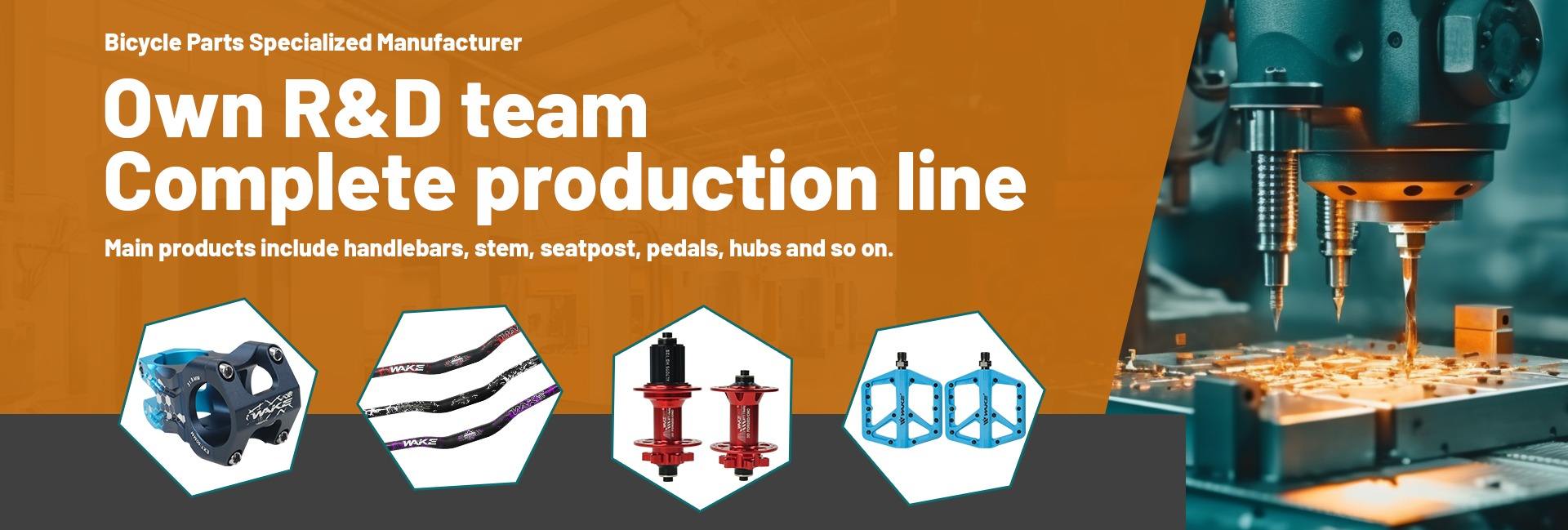
At WakeBike, we're committed to providing high-quality bicycle components that meet the needs of cyclists worldwide. Our comprehensive range of parts is designed for durability, performance, and value, whether you're building a new bike or upgrading an existing one.
Ready to Upgrade Your Bike Components? Contact us today to learn more about our premium bicycle components:
- WhatsApp: +86 184 7746 8950
- Email: ailujiaxiang@gmail.com
Discover how WakeBike components can enhance your riding experience with their quality, performance, and reliability.
Get in Touch
If you're interested in learning more about our manufacturing services or would like to discuss your project, please contact Bob, our Operations Manager: