
A Manufacturer of Bicycle Parts Requires - Understanding the Essential Requirements for Success
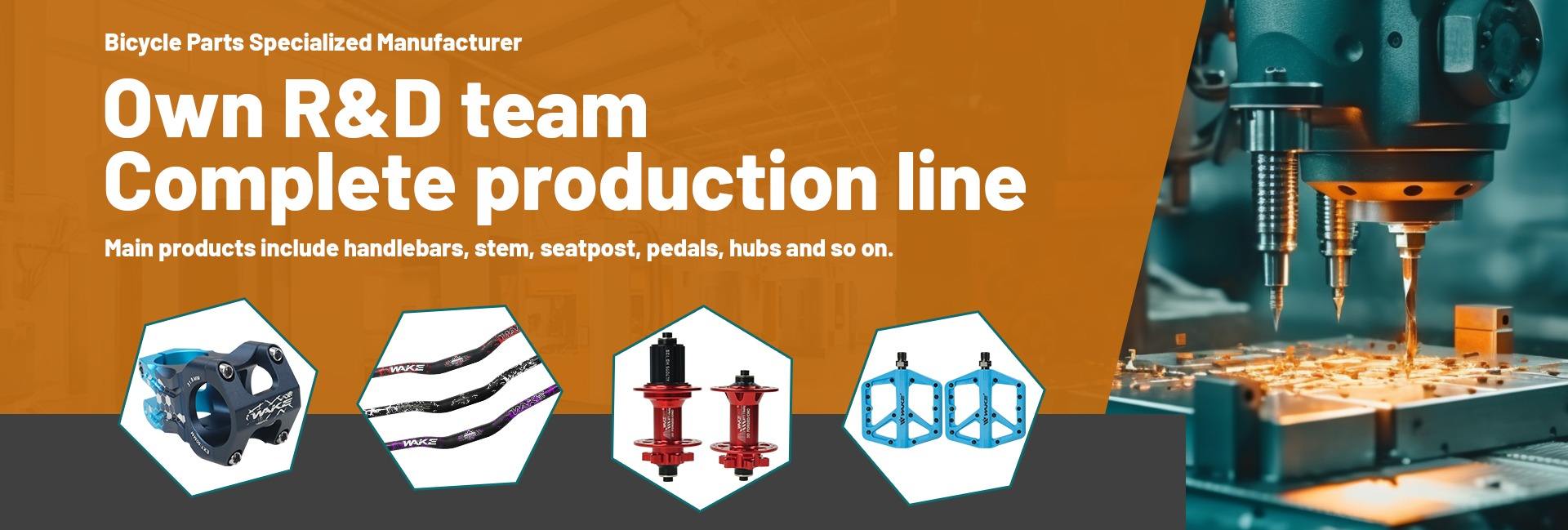
A Manufacturer of Bicycle Parts Requires - Understanding the Essential Requirements for Success
The bicycle parts manufacturing industry is highly competitive, with manufacturers vying for market share in a global economy. To succeed in this dynamic sector, a manufacturer of bicycle parts requires a comprehensive understanding of various requirements, from quality control and technological innovation to supply chain management and market trends. In this in-depth guide, we'll explore the essential requirements that define a successful bicycle parts manufacturer.
1. Quality Control Systems
Quality is the cornerstone of any successful bicycle parts manufacturer. A robust quality control system is non-negotiable for ensuring customer satisfaction and maintaining a strong reputation in the market.
Essential Quality Control Components
Raw Material Inspection
Every component starts with raw materials, and ensuring their quality is the first step in the manufacturing process. Successful manufacturers implement rigorous testing protocols for incoming materials, including:
- Material composition analysis
- Strength and durability testing
- Dimensional accuracy checks
In-Process Quality Checks
Quality control shouldn't end with raw materials. Regular inspections during the manufacturing process help identify issues early, reducing waste and ensuring consistent quality:
- CNC machining precision verification
- Welding quality inspections
- Surface finish checks
- Assembly line quality audits
Final Product Testing
Before products leave the factory, they must undergo comprehensive testing to ensure they meet or exceed industry standards:
- Functional performance testing
- Durability and wear testing
- Safety compliance verification
- Environmental resistance testing
International Certifications
Obtaining international certifications demonstrates a commitment to quality and helps manufacturers access global markets:
- ISO 9001 for quality management systems
- ISO 14001 for environmental management
- EN standards for European market compliance
- ASTM standards for North American market compliance
2. Advanced Manufacturing Technology
The bicycle parts industry is constantly evolving, and manufacturers must invest in advanced technology to stay competitive.
Key Technological Requirements
CNC Machining Centers
Computer Numerical Control (CNC) machines offer unparalleled precision and consistency, making them essential for modern bicycle parts manufacturing:
- Multi-axis CNC machines for complex components
- High-speed machining for increased productivity
- Automated tool changers for reduced downtime
Advanced Materials Processing
As bicycle design evolves, manufacturers must be able to work with a variety of advanced materials:
- Carbon fiber layup and curing technologies
- Aluminum extrusion and heat treatment processes
- Titanium machining capabilities
- Composite material bonding techniques
Automation and Robotics
Automation can significantly improve production efficiency and reduce labor costs:
- Robotic assembly systems for repetitive tasks
- Automated inspection systems for quality control
- Material handling robots for improved workflow
Digital Manufacturing Solutions
Digital technologies are transforming the manufacturing landscape:
- Computer-Aided Design (CAD) and Computer-Aided Manufacturing (CAM) software
- Product Lifecycle Management (PLM) systems
- Digital Twin technology for production optimization
- Additive manufacturing (3D printing) for prototyping and custom parts
3. Supply Chain Management
Efficient supply chain management is critical for meeting customer demands and maintaining profitability.
Supply Chain Requirements
Reliable Supplier Networks
Building strong relationships with reliable suppliers ensures a steady supply of high-quality materials:
- Diversified supplier base to mitigate risks
- Regular supplier audits and performance evaluations
- Collaborative product development with key suppliers
- Long-term contracts for strategic materials
Inventory Management Systems
Effective inventory management reduces costs and ensures components are available when needed:
- Just-in-Time (JIT) inventory systems
- Advanced forecasting tools to predict demand
- Real-time inventory tracking systems
- Safety stock strategies for critical components
Logistics and Distribution
Efficient logistics and distribution are essential for delivering products to customers on time:
- Strategic warehouse locations
- Partnerships with reliable freight carriers
- Advanced tracking and tracing systems
- Customs compliance expertise for international shipments
4. Market Understanding and Product Development
To succeed, manufacturers must have a deep understanding of market trends and customer needs.
Market and Product Requirements
Market Research and Analysis
Regular market research helps manufacturers identify opportunities and stay ahead of trends:
- Consumer preference analysis
- Competitive landscape assessments
- Emerging technology monitoring
- Regulatory trend tracking
Product Development Capabilities
The ability to develop innovative products is crucial for long-term success:
- In-house R&D teams with engineering expertise
- Prototyping facilities for testing new designs
- Customer feedback integration into product development
- Continuous improvement processes for existing products
Customization Capabilities
Many customers require custom solutions, and manufacturers must be able to meet these demands:
- OEM and ODM services
- Custom design capabilities
- Flexible production lines for small-batch orders
- Rapid prototyping for custom projects
5. Skilled Workforce
A skilled workforce is essential for operating advanced equipment and maintaining quality standards.
Workforce Requirements
Technical Expertise
Manufacturing bicycle parts requires specialized technical skills:
- CNC programming and operation
- Materials engineering knowledge
- Quality control expertise
- CAD/CAM design skills
Training and Development
Investing in employee training ensures a competent and motivated workforce:
- Ongoing skill development programs
- Safety training for all employees
- Cross-training to improve flexibility
- Leadership development for supervisory roles
Safety Protocols
A safe working environment is not only a legal requirement but also contributes to productivity:
- Comprehensive safety policies
- Regular safety inspections
- Personal protective equipment (PPE) requirements
- Emergency response plans
6. Environmental Sustainability
As environmental concerns grow, manufacturers must prioritize sustainability in their operations.
Sustainability Requirements
Eco-Friendly Manufacturing Processes
Reducing the environmental impact of manufacturing operations is increasingly important:
- Energy-efficient equipment and facilities
- Waste reduction and recycling programs
- Water conservation measures
- Low-emission production processes
Sustainable Materials
Using sustainable materials helps manufacturers meet customer demands for eco-friendly products:
- Recycled materials for component production
- Bio-based materials where appropriate
- Non-toxic coatings and finishes
- Sustainable packaging solutions
Carbon Footprint Reduction
Measuring and reducing carbon emissions is becoming a standard requirement:
- Carbon footprint assessments
- Renewable energy adoption
- Supply chain emissions reduction initiatives
- Carbon offset programs
7. Financial Management
Sound financial management is essential for the long-term viability of any manufacturing business.
Financial Requirements
Cost Control Measures
Managing costs effectively helps maintain profitability in a competitive market:
- Regular cost analysis and optimization
- Lean manufacturing principles
- Efficient resource utilization
- Waste reduction programs
Financial Planning and Forecasting
Effective financial planning ensures the business can weather market fluctuations:
- Long-term strategic planning
- Cash flow management
- Capital investment planning
- Risk management strategies
Competitive Pricing Strategies
Setting the right prices is crucial for attracting customers and maintaining margins:
- Cost-based pricing with competitive analysis
- Value-based pricing for premium products
- Dynamic pricing for different market segments
- Volume discounts for large customers
8. Customer Service and Support
Excellent customer service can differentiate a manufacturer from its competitors.
Customer Service Requirements
Responsive Communication
Timely and effective communication is essential for building strong customer relationships:
- Dedicated customer service teams
- Multiple communication channels (phone, email, WhatsApp)
- Quick response times to inquiries
- Regular updates on order status
Technical Support
Many customers require technical assistance with bicycle components:
- Technical documentation and specifications
- Troubleshooting support
- Installation guidance
- Training programs for customers' staff
Warranty and After-Sales Support
A comprehensive warranty and after-sales support program builds customer confidence:
- Clear warranty terms and conditions
- Efficient claims processing
- Replacement part availability
- Product recall procedures if needed
Case Study: WakeBike's Approach to Meeting Manufacturing Requirements
WakeBike is a professional bicycle parts manufacturer that has successfully implemented these requirements to become a trusted name in the industry.
WakeBike's Quality Control System
WakeBike has implemented a multi-stage quality control system that includes raw material inspection, in-process checks, and final product testing. All components meet or exceed ISO 9001 standards, ensuring consistent quality across all products.
Technological Investments
WakeBike has invested in state-of-the-art CNC machining centers, carbon fiber processing equipment, and automated assembly lines. They also use advanced CAD/CAM software for product design and PLM systems for lifecycle management.
Supply Chain Management
WakeBike maintains strong relationships with reliable suppliers and uses advanced inventory management software to optimize stock levels. They have a global logistics network that ensures timely delivery to customers worldwide.
Market Focus
WakeBike conducts regular market research to identify trends and customer needs. Their in-house R&D team develops innovative products that meet the evolving demands of the bicycle industry.
Sustainable Practices
WakeBike has implemented energy-efficient manufacturing processes, waste reduction programs, and uses recycled materials where possible. They are committed to reducing their environmental impact while maintaining high product quality.
Conclusion
A successful manufacturer of bicycle parts requires a comprehensive approach that encompasses quality control, advanced technology, efficient supply chain management, market understanding, a skilled workforce, sustainability, financial management, and excellent customer service.
By investing in these essential requirements, manufacturers can differentiate themselves in a competitive market, build strong customer relationships, and achieve long-term success.
At WakeBike, we understand the complex requirements of bicycle parts manufacturing. Our commitment to quality, technology, and customer service has made us a trusted partner for bike brands and manufacturers worldwide.
Ready to Partner with a Reliable Bicycle Parts Manufacturer? Contact us today to learn more about our manufacturing capabilities and how we can help you meet your bicycle component needs:
- WhatsApp: +86 184 7746 8950
- Email: ailujiaxiang@gmail.com
Whether you're looking for OEM solutions, custom components, or ready-made parts, WakeBike has the expertise and capabilities to deliver exceptional products that meet your exact specifications.
Get in Touch
If you're interested in learning more about our manufacturing services or would like to discuss your project, please contact Bob, our Operations Manager: